Author: William Harvill

The Importance of Outdoor Lighting for Your Home

The Importance of Outdoor Lighting for Your Home

Using landscape lighting to illuminate walkways, stairs, and other areas of your property isn’t just about improving your home’s beauty; it also benefits your safety. Illuminated pathways can help prevent tripping hazards and make it easier to navigate your outdoor space after dark. The well-lit …

Common Pool Repairs: A Guide to Fixing Your Swimming Pool

Common Pool Repairs: A Guide to Fixing Your Swimming Pool

A sparkling, crystal-clear swimming pool is a delightful addition to any backyard, providing a refreshing oasis for relaxation and recreation. However, over time, even the best-maintained pools may require repairs to ensure they remain in optimal condition. In this guide, we will explore some of …

Choosing the Right Pavers for Your Patio – A Comprehensive Guide

Choosing the Right Pavers for Your Patio – A Comprehensive Guide

A well-written guide meets readers at their level of knowledge and builds upon it. This makes it easy for them to understand and follow.

Choose pavers that harmonize with your home’s color and style. For example, if you have navy vinyl siding, a white or gray patio will complement it nicely.

Materials

Pavers can be made from several materials, each offering unique benefits. Flagstone pavers, for example, have a non-slip feature and come in unique, often irregular shapes that can fit together like a puzzle. Their textured surface creates a natural and rustic appearance that complements many architectural styles, especially Mediterranean-style homes.

Concrete pavers are another popular option because of their durability and affordability. They can be stamped to imitate the look of stone or brick and are available in various colors and textures. They can also be arranged in various patterns, including the common running bond, herringbone designs, and a basketweave or random style.

When choosing pavers for a patio, consider how and who will use the space. For example, a rough texture may be uncomfortable for bare feet and pose a tripping hazard. Also, patios must be able to withstand yearly freeze-and-thaw cycles. When selecting your pavers, talk to a patio and walkways paver St. Louis, MO company specializing in your area.

Color

Color is the most crucial factor when choosing pavers for your patio. It is essential to look at the colors in your landscape and home and try not to make them clash.

If your home is painted in blues or grays, opting for a similar color for your pavers will create an eye-pleasing effect. If you want something bolder, contrasting-colored pavers can create a unique design and bring a pop of color to your outdoor space.

Remembering that the pavers’ colors can shift slightly depending on the sunlight they receive is also essential. Check the pavers throughout the day in bright sunshine, filtered sunlight, and even at night when your landscape lights shine on them to ensure they don’t fade too much. A faded paver will show stains easily, so it’s better to be safe than sorry.

Texture

The color of your pavers is essential, but so is the texture. Some homeowners opt for a monotone look with all the same pavers, which look sleek and modern. This is a popular choice, but it can show dirt and stains easily.

On the other hand, choosing a textured paver can provide visual interest and a softer look to your patio. If you have kids or pets, a rougher surface can also be safer for them to walk on.

Regarding texture, it’s essential to consider your home’s overall landscape and surrounding area. For example, if you have a lot of greenery nearby, choosing a natural-looking paver that blends in and doesn’t compete with your lush surroundings may be best. On the other hand, if you live in a climate with harsh summer sun, consider a lighter shade that won’t be overwhelmed by the brightness of the sunlight.

Patterns

When laying pavers, the pattern will influence the look of your patio. For example, the herringbone pattern is a savvy design choice that is on the rise and adds visual interest to your patio. The running or stacked bond paver pattern is ideal for those looking for a classic, simple appearance. This look works well with both traditional and modern homes. Other unique paver patterns include the basket weave, which uses alternating pairs of rectangular pavers to create a woven or basket-like look. This style of pattern is particularly effective when used in oddly shaped areas.

Color is also an essential consideration for your patio. Light-colored pavers are typically more visually appealing and can make an area feel more significant. However, it’s crucial to consider how sunlight will affect the color of your pavers, especially if the patio is exposed to direct sunlight for long periods.

How to Avoid Water Pressure Loss in Your Shower

How to Avoid Water Pressure Loss in Your Shower

Struggling with water pressure loss in your shower is akin to expecting a downpour but receiving a drizzle. It’s a daily frustration that dampens the start of your day. Fear not, for this guide will arm you with the knowledge and tools to tackle this …

Safety Considerations for Ceiling Infrared Heaters: A Comprehensive Guide

Safety Considerations for Ceiling Infrared Heaters: A Comprehensive Guide

Infrared heating has transformed the way we heat our homes. It might surprise you how ceiling infrared heaters can seamlessly blend comfort with safety. However, they present unique challenges that require thoughtful intervention. Prepare to dive into our comprehensive guide on safety considerations for ceiling …

A Revolution in Construction: The Rise of Steel Framing Systems

A Revolution in Construction: The Rise of Steel Framing Systems

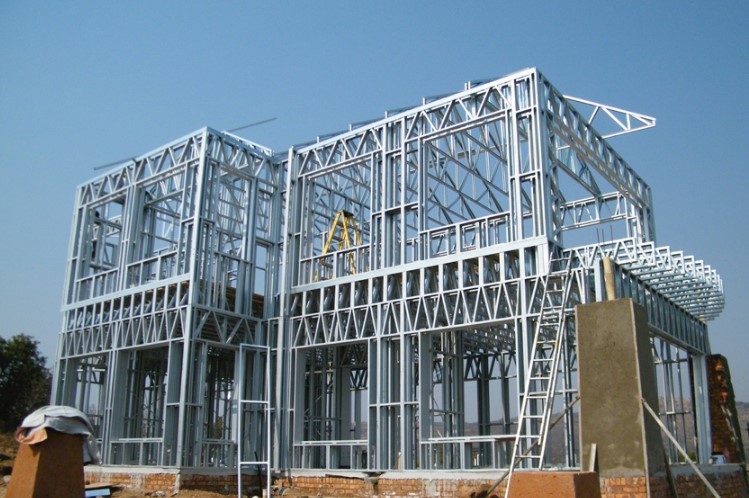
In the dynamic realm of construction, innovation is reshaping the way we build structures, and at the forefront of this revolution is the rise of steel framing systems. Traditionally, wood has been the go-to material for framing, but steel is rapidly gaining ground, offering a myriad of benefits that are transforming the industry. This shift represents not only a leap forward in construction technology but also a sustainable and cost-effective solution that is changing the landscape of architecture.

Strength and Durability:

Steel framing systems are engineered to provide unparalleled strength and durability, surpassing traditional wood framing in multiple aspects. Steel’s inherent strength allows for longer spans and higher load-bearing capacities, enabling architects and builders to design and construct structures that were once deemed challenging or impossible with traditional materials. This superior strength translates to increased resistance against natural disasters such as earthquakes and hurricanes, making steel-framed buildings a resilient choice in diverse environmental conditions.

Precision and Consistency:

One of the key advantages of steel framing systems is the precision and consistency they offer during construction. Unlike wood, which is susceptible to warping, twisting, and shrinking, steel maintains its shape and structural integrity over time. This precision ensures that the framing components fit together seamlessly, reducing the likelihood of gaps or inconsistencies in the structure. The result is a more accurate and stable framework that contributes to the overall quality and longevity of the building.

Fire Resistance:

Steel’s inherent resistance to fire is a significant factor contributing to its popularity in construction. Unlike wood, which is combustible and poses a fire hazard, steel framing systems have a high melting point, making them less susceptible to ignition. This characteristic not only enhances the safety of the occupants but also reduces the risk of structural damage in the event of a fire. As building codes become more stringent in addressing fire safety, the use of steel framing systems becomes a natural choice for architects and builders.

Environmental Sustainability:

The construction industry is increasingly embracing sustainability, and steel framing systems align with this growing trend. Steel is a highly recyclable material, and the use of recycled steel in framing reduces the demand for new raw materials. Additionally, steel-framed structures are energy-efficient, as they allow for better insulation and reduce thermal bridging. The longevity of steel-framed buildings further contributes to sustainability by minimising the need for frequent replacements or repairs, ultimately reducing the environmental impact of construction.

Speed of Construction:

Steel framing systems significantly expedite the construction process, making them an attractive choice for projects with tight timelines. The precise manufacturing of steel components allows for faster assembly on-site, reducing labor costs and overall construction time. This efficiency can be especially advantageous in commercial and residential developments where timely project completion is crucial. The ability to accelerate construction without compromising structural integrity is a key factor driving the widespread adoption of steel framing systems.

Design Flexibility:

The versatility of steel framing systems opens up new possibilities in architectural design. Steel’s strength-to-weight ratio allows for larger open spaces and creative designs that may not be feasible with traditional framing materials. Architects can explore innovative and aesthetically pleasing structures, pushing the boundaries of design while maintaining structural integrity. The adaptability of steel framing systems to various architectural styles and requirements positions them as a go-to solution for those seeking both form and function in construction.

Cost-Effectiveness in the Long Run:

While the initial costs of steel framing systems may be higher than traditional materials, the long-term cost-effectiveness is a compelling factor. Steel’s durability and resistance to factors such as pests, rot, and decay mean lower maintenance costs over the life of the building. Additionally, the speed of construction and the resulting reduction in labor costs contribute to the overall economic viability of steel-framed structures.

In conclusion, the rise of steel framing systems represents a revolutionary shift in the construction industry. The combination of strength, durability, precision, and sustainability positions steel as a material of choice for modern builders and architects. As the industry continues to prioritise efficiency, safety, and environmental responsibility, steel framing systems are poised to play a central role in shaping the buildings of the future. This evolution signifies not only a technological advancement but a transformative force that is redefining the way we build and experience the spaces around us.