Custom Wine Cellar Design Ideas to Create a Sophisticated Home Wine Collection
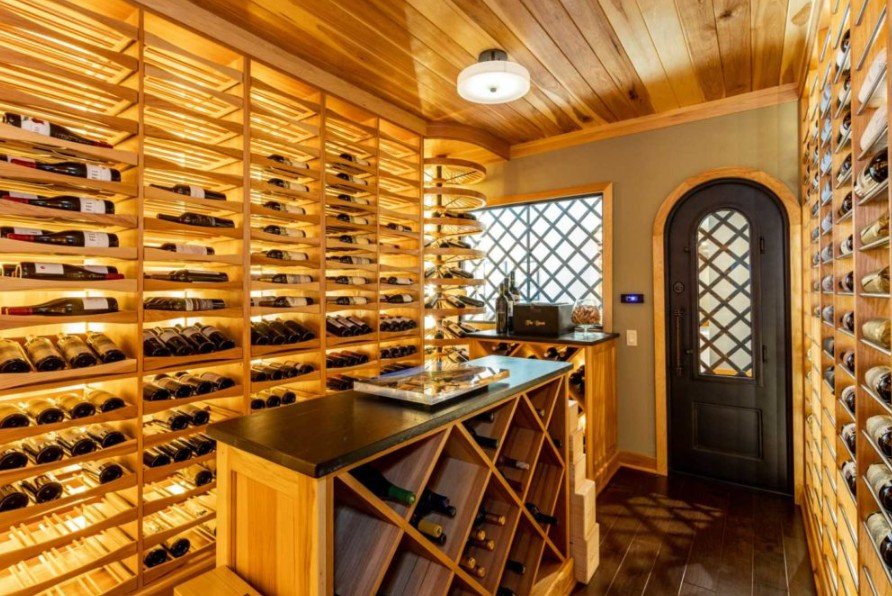
A custom wine cellar converts ordinary storage into an architectural focal point while preserving the delicate integrity of your vintage bottles. Proper design marries technical precision with high-end aesthetics, providing an immersive experience for hosting guests and aging prized vintages. By carefully selecting storage layouts, climate control solutions, materials, and lighting, you can elevate your wine collection into an artful statement that enhances your home’s character and overall market value.
Investing in custom wine cellars in Boston allows homeowners to not only protect their collection under ideal temperature and humidity conditions, but also transform an underutilized room into a stunning architectural focal point.
Defining Architectural Storage Styles for Maximum Visual Impact
Designing a wine cellar begins with selecting an architectural concept that complements your home’s interior decor and structural footprint. Modern collectors lean toward sleek glass enclosures that integrate into dining rooms, living spaces, or beneath grand staircases. Frameless floor-to-ceiling glass walls turn your curated bottles into a gallery display visible from primary entertaining areas while keeping thermal conditions completely contained.
Classic subterranean cellars offer a timeless appeal rooted in traditional European wine caves. Incorporating exposed brick, stone archways, reclaimed timber beams, and wrought iron accents creates a subterranean sanctuary ideal for long-term aging. This rustic aesthetic evokes Old World craftsmanship and offers a grounded, sensory sanctuary away from the main living spaces.
For homeowners facing space limitations, compact vertical wine walls present an elegant alternative. Utilizing underutilized alcoves, recessed hallway niches, or unused closet footprints allows you to display hundreds of bottles without taking up valuable floor space.
Integrating Climate Control and Environmental Engineering
Preserving a serious wine investment requires strict environmental management. A custom wine cellar must maintain a constant temperature around 55°F (13°C) and relative humidity between 50% and 70%. Temperature spikes accelerate aging and destroy subtle flavor profiles, while improper humidity levels dry out corks or cause mold growth on valuable labels.
Commercial-grade vapor barriers and closed-cell spray foam insulation must be installed inside the walls, ceiling, and floor prior to finishing interior surfaces. This thermal envelope prevents exterior heat migration and keeps humidity levels stable without forcing your cooling unit to overwork.
Ducted split cooling systems represent the gold standard for luxury installations. By placing the noisy condensing unit in an exterior location or remote utility room, you enjoy whisper-quiet performance inside the tasting space. Integrated humidifiers and dehumidifiers work alongside digital monitoring systems to maintain ideal cellaring conditions year-round.
Crafting Dramatic Ambiance through Precision Low-Heat Lighting
Lighting design defines the tone of your wine display while serving a critical functional role. Ultraviolet light and excess heat are primary enemies of wine, capable of altering chemical balances and spoiling subtle aromas over prolonged exposure.
Low-voltage LED lighting provides the ultimate solution, emitting zero UV rays and virtually no heat output. Linear LED strip lighting concealed within individual racking channels casts a warm glow directly onto vintage labels without increasing ambient temperatures.
Accenting structural features with backlighting, soft puck lights over decanting stations, or dimmable chandeliers creates layers of visual depth. Motion-activated sensors ensure lights operate only when someone enters the space, keeping energy consumption low and protecting your collection from light exposure.
Designing an Immersive Tasting Lounge Experience
A truly remarkable wine cellar extends beyond bottle storage to incorporate space for tasting, entertaining, and appreciation. Dedicating floor space to a integrated tasting bar transforms a storage room into an intimate social destination.
Custom millwork can include waterfall marble countertops, copper sinks for glassware cleanup, and built-in sommelier drawers for corkscrews and preservation accessories. Incorporating leather seating, low cocktail tables, and stemware display racks invites guests to pause and savor open bottles in a climate-controlled sanctuary.
To add a personal touch, consider incorporating specialized display areas for large-format bottles like Magnums or Jeroboams. Rolling wooden crates, sommelier tasting ledges, and integrated tasting journals further elevate the space from basic storage to a personal sanctuary dedicated to the craft of winemaking.
Conclusion
Building a custom wine cellar bridges the gap between expert wine preservation and high-end residential architecture. Thoughtful design choices from frameless glass walls and climate-controlled cooling systems to bespoke hardwood racking and warm LED accents transform raw space into a stunning showcase for your collection. Whether you favor a sleek contemporary wine wall or a classic subterranean stone cavern, investing in custom storage ensures your bottles age gracefully while providing an unforgettable backdrop for entertaining family and friends.